The Science Behind Hypnosis
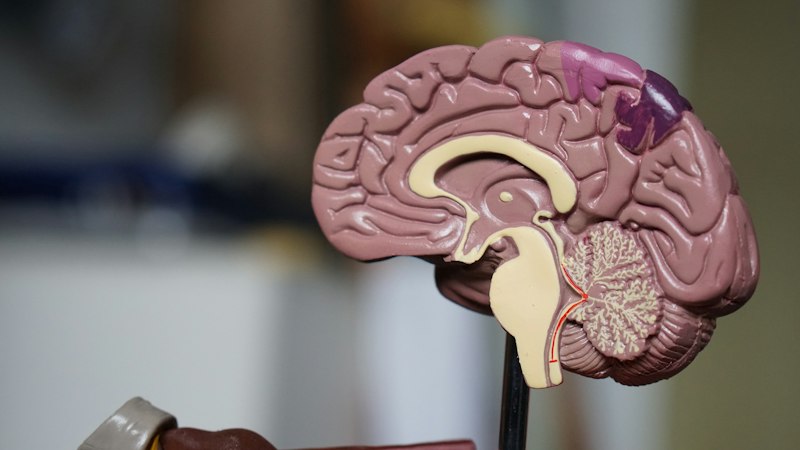
Demystifying Hypnosis
Despite decades of scientific research validating its effectiveness, hypnosis is still surrounded by myths and misconceptions. Let's explore what modern neuroscience tells us about this powerful therapeutic tool.
What Happens in the Brain During Hypnosis?
Brain imaging studies have revealed fascinating insights into the hypnotic state. When someone is hypnotized, several key changes occur in brain activity:
- Reduced Activity in the Default Mode Network: This is the part of your brain that's active when your mind wanders. During hypnosis, it becomes quieter, allowing for focused attention.
- Increased Theta Waves: These brain waves are associated with deep relaxation, creativity, and learning. They're the bridge between conscious and subconscious mind.
- Enhanced Neural Plasticity: The hypnotic state makes it easier for your brain to form new connections and patterns, facilitating lasting behavioural change.
The Role of Suggestion
In the hypnotic state, the critical factor - the part of your mind that analyses and often rejects new ideas - is bypassed. This doesn't mean you're under someone else's control. Rather, it means positive suggestions that align with your goals can be absorbed more readily by your subconscious mind.
Why Hypnotherapy Works
Traditional talk therapy primarily engages the conscious, analytical mind. While this is valuable, it often struggles to change deeply ingrained patterns stored in the subconscious. Hypnotherapy accesses both levels:
- The conscious discussion helps you identify goals and solutions
- The hypnotic state allows these positive changes to be embedded at a deeper level
Evidence-Based Effectiveness
Numerous studies have demonstrated the effectiveness of hypnotherapy for various conditions. Research published in the American Journal of Clinical Hypnosis and other peer-reviewed journals has shown that hypnotherapy can be as effective as, or more effective than, traditional therapeutic approaches for many conditions.
Common Misconceptions
Myth: You're unconscious during hypnosis.
Reality: You're aware and in control throughout. You can choose to emerge from hypnosis at any time.
Myth: Only weak-minded people can be hypnotized.
Reality: The ability to be hypnotized is actually a sign of good concentration and imagination skills.
Myth: You might not wake up from hypnosis.
Reality: This has never happened. At worst, you'd drift into natural sleep and wake up normally.
Experience It Yourself
The best way to understand hypnosis is to experience it. Book a free consultation to learn more about how this scientifically-validated approach can help you achieve your goals.